Valley of Flowers is open from June to October, but the experience changes dramatically depending on when you go. The difference between early July and late September is the difference between a green valley with scattered blooms and a full carpet of 600 species of wildflowers.
This guide breaks it down month by month so you can pick the right window.
Opening and Closing Dates
The Valley of Flowers National Park typically opens on 1 June and closes on 31 October. The exact dates can shift by a week depending on weather and snow conditions. The forest department announces the dates each year in May.
The trail from Govindghat to Ghangaria is open as long as the valley is open. Hemkund Sahib follows a similar schedule.
June: Early Season
Weather: Cool, intermittent rain, occasional snow at higher elevations
Temperature: 5°C to 15°C
Crowds: Very low
Flowers: Minimal — snow may still cover parts of the valley floor
June is for the adventurous. The valley is just waking up. Snow patches linger, and the full bloom is still weeks away. The advantage: you will have the trail almost to yourself.
Verdict: Skip unless you specifically want solitude over flowers.
July: The Bloom Begins
Weather: Heavy monsoon rain, overcast mornings, afternoon downpours
Temperature: 8°C to 17°C
Crowds: Moderate
Flowers: Building — 40-60% of species in bloom by late July
July is when the valley begins its transformation. The first two weeks are hit-or-miss, but by the third week of July, the valley floor starts filling with colour. Blue poppies, primulas, marigolds, and potentillas appear.
The rain is real. Expect 3-4 hours of rain most afternoons. Waterproof everything.
Verdict: Good for photographers who want blooms without peak crowds. Be prepared for rain.
August: Peak Bloom
Weather: Monsoon continues, but with more clear windows
Temperature: 10°C to 18°C
Crowds: High — this is the busiest month
Flowers: Peak — 80-100% of species in bloom
This is the month. The entire valley floor is carpeted with flowers. Brahma Kamal (the legendary lotus of the gods) blooms in late August. Cobra lilies, orchids, blue poppies, and hundreds of other species are at their peak.
The first two weeks of August are generally considered the absolute best window. The crowds match the blooms — Ghangaria lodges fill up, and the trail is busy.
Verdict: The best time if flowers are the priority. Book Ghangaria accommodation in advance.
September: Autumn Light
Weather: Rain decreases, clearer skies, crisp mornings
Temperature: 5°C to 15°C
Crowds: Low to moderate
Flowers: Declining — late bloomers and autumn colours
September is the underrated month. The heavy rains have passed, visibility improves dramatically, and the surrounding peaks are often clear for the first time in months. The flowers are past peak but the valley is still colourful, now mixed with autumn golds and reds.
The trails are less muddy, the air is cleaner, and Ghangaria is noticeably quieter.
Verdict: Best overall experience — decent flowers, great weather, fewer crowds. Recommended for first-time visitors who want comfort over peak bloom.
October: Closing Season
Weather: Cold, dry, clear
Temperature: 0°C to 10°C
Crowds: Very low
Flowers: Almost none — the valley is brown and preparing for winter
By October the flowers are gone. The valley has a stark, austere beauty, but it is not what most people come for. Nights at Ghangaria are genuinely cold.
Verdict: Only for trekkers who want the landscape, not the flowers.
What Blooms When
| Flower | Peak Month |
|---|---|
| Blue Poppy (Meconopsis aculeata) | July–August |
| Brahma Kamal (Saussurea obvallata) | Late August–September |
| Cobra Lily (Arisaema) | July–August |
| Primula | June–July |
| Marsh Marigold | June–July |
| Geranium | July–August |
| Epilobium | August–September |
| Potentilla | July–August |
| Himalayan Balsam | August–September |
Weather Summary
| Month | Avg Temp | Rainfall | Visibility | Crowds |
|---|---|---|---|---|
| June | 5–15°C | Moderate | Good | Very Low |
| July | 8–17°C | Heavy | Poor–Fair | Moderate |
| August | 10–18°C | Heavy | Fair | High |
| September | 5–15°C | Light | Excellent | Low |
| October | 0–10°C | Minimal | Excellent | Very Low |
Our Recommendation
For flowers: Last week of July through first two weeks of August.
For weather: Second half of September.
For the best of both: Late August — the bloom is still strong but the worst of the monsoon is easing.
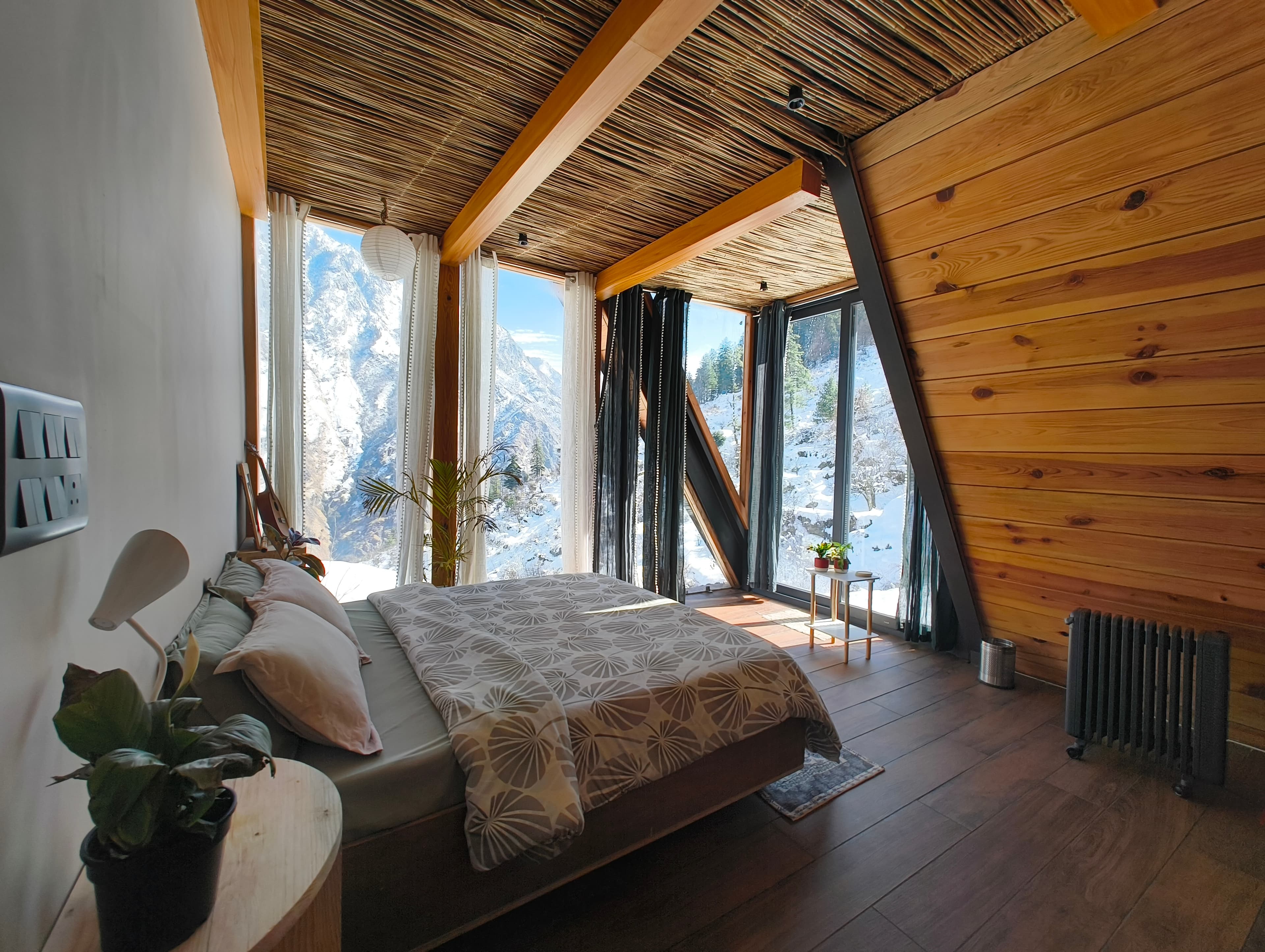
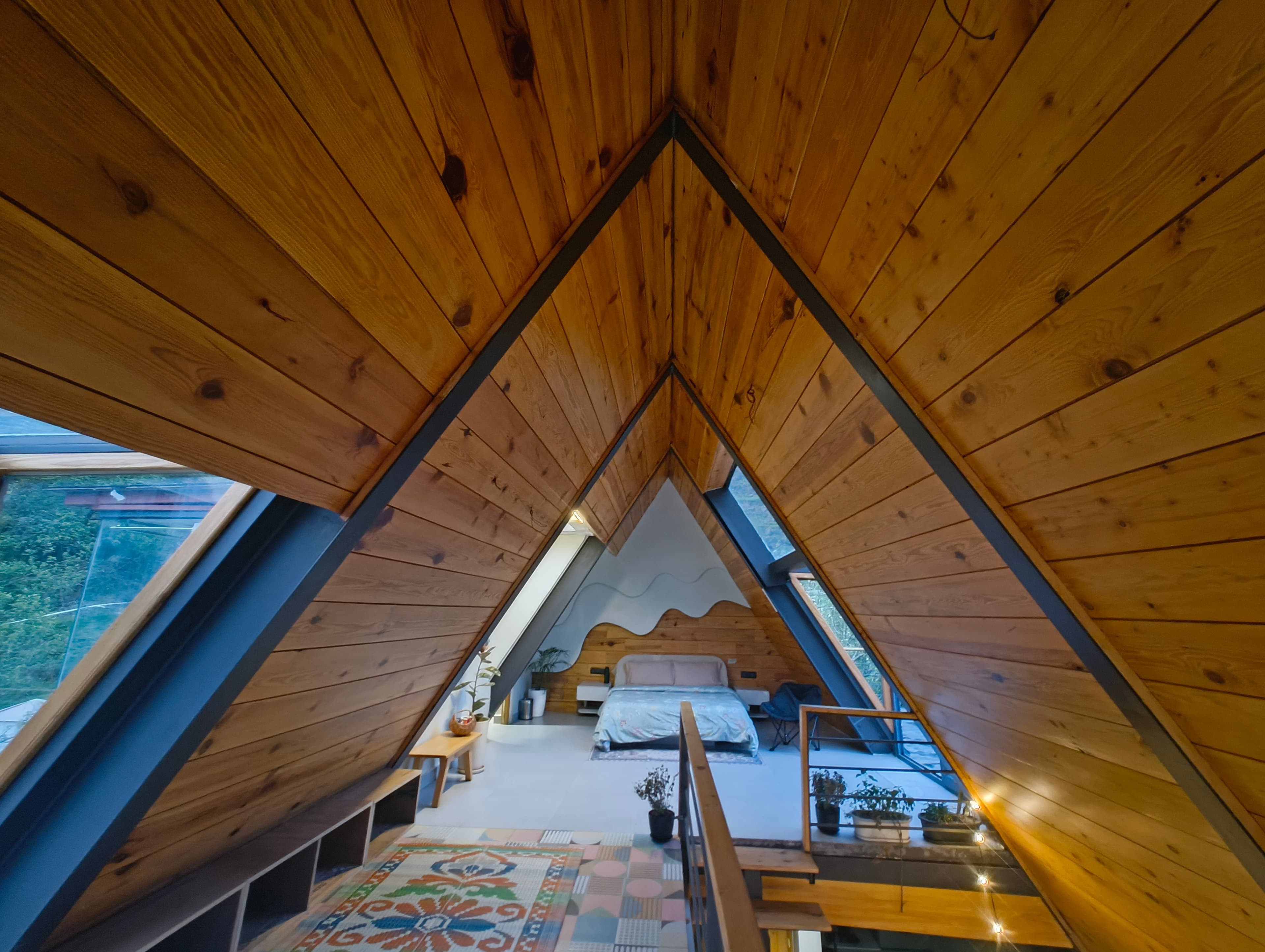
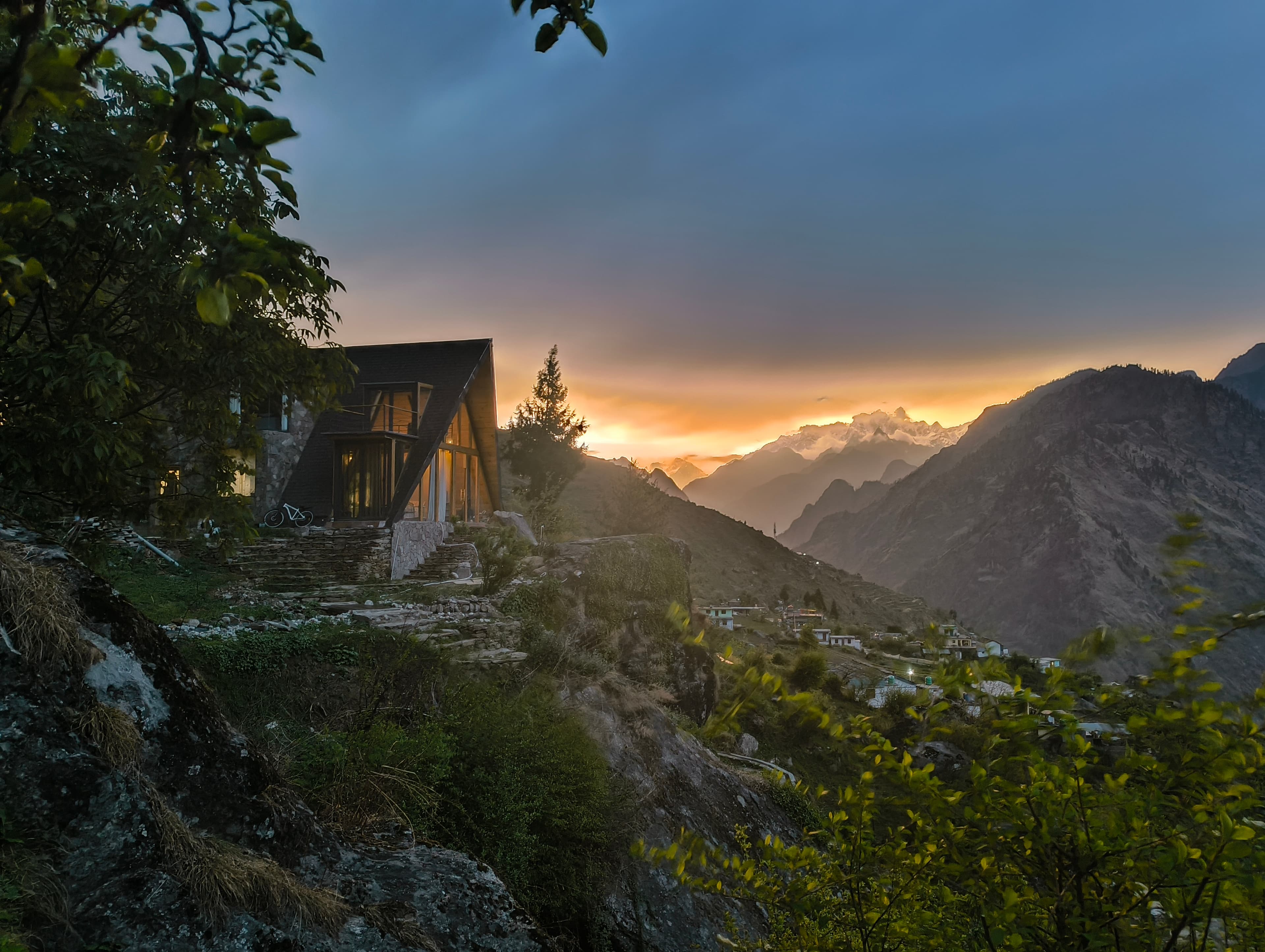
Whenever you go, plan to stay at Vaadi on the way up and the way back. The property is 24 km from Govindghat and open year-round. During monsoon, the forests around Vaadi are at their most lush — waterfalls appear on every hillside, the pine canopy drips, and the mornings are wrapped in cloud.
Book via WhatsApp: +91 8862806630
Frequently Asked Questions
Can I visit Valley of Flowers in winter?
No. The national park is closed from November to May. The valley is buried under snow.
Is August too rainy for trekking?
The rain is manageable with proper gear. Most rain falls in the afternoon. Mornings are often clear enough for a full visit to the valley. Waterproof jacket and rain cover for your bag are essential.
When does Brahma Kamal bloom?
Brahma Kamal (the sacred lotus) typically blooms from late August to early September. It is rare and found at higher elevations within the valley.
Is the road to Govindghat safe during monsoon?
The NH-58 through the Alaknanda valley is prone to landslides during heavy rain. Road closures of a few hours are common. Allow buffer days in your itinerary. Staying at Vaadi near Auli gives you flexibility — if the road to Govindghat is blocked, you can wait a day in comfort rather than being stranded.