A personal opinion. This is my own reading of what happened — not a geological assessment.
If you only knew Joshimath from the news, you would picture a ghost town. Empty streets, abandoned houses, a hillside slowly swallowing a place people used to live. That was the image the country got in January 2023, and for a lot of people it never got replaced.
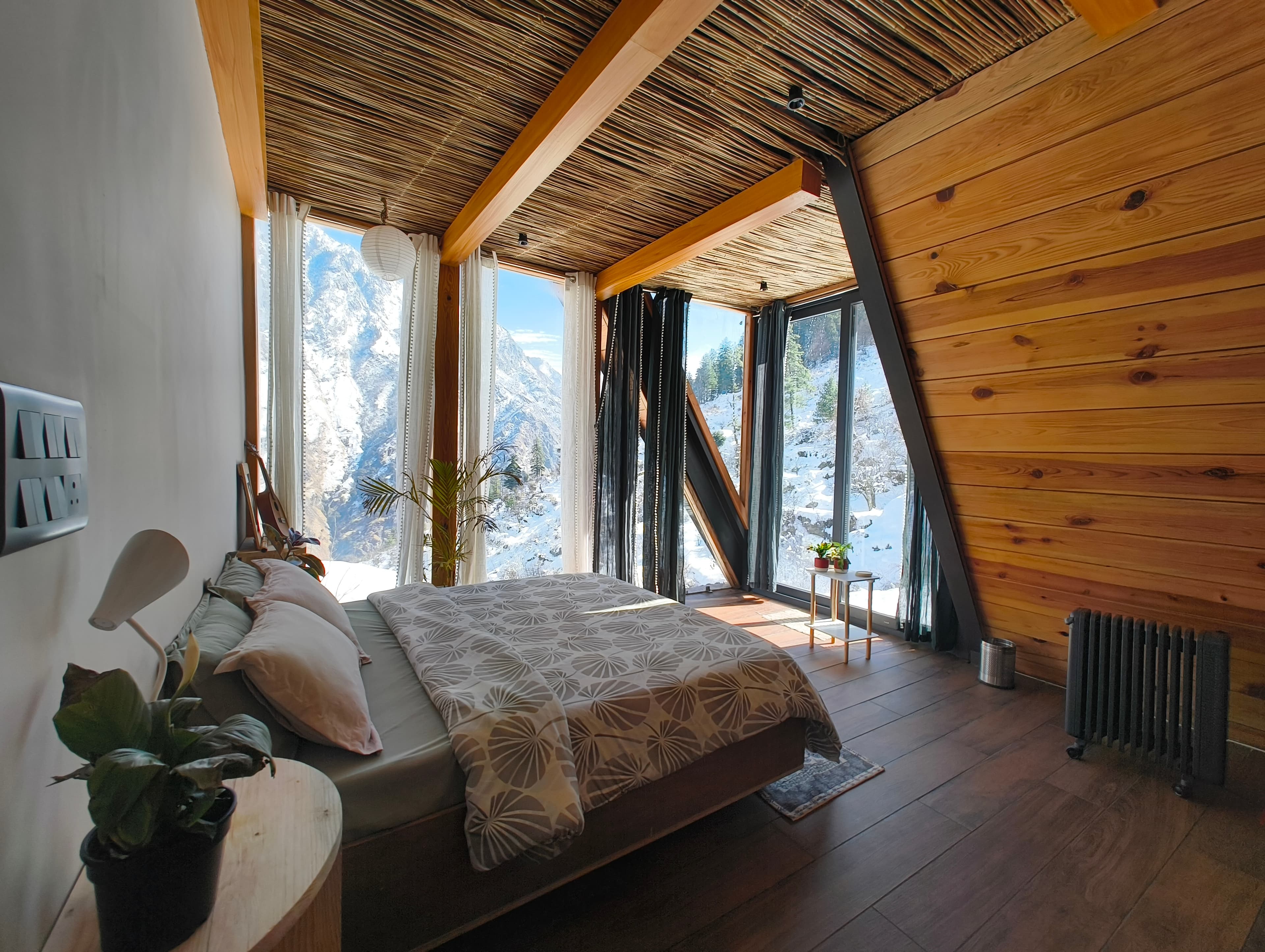
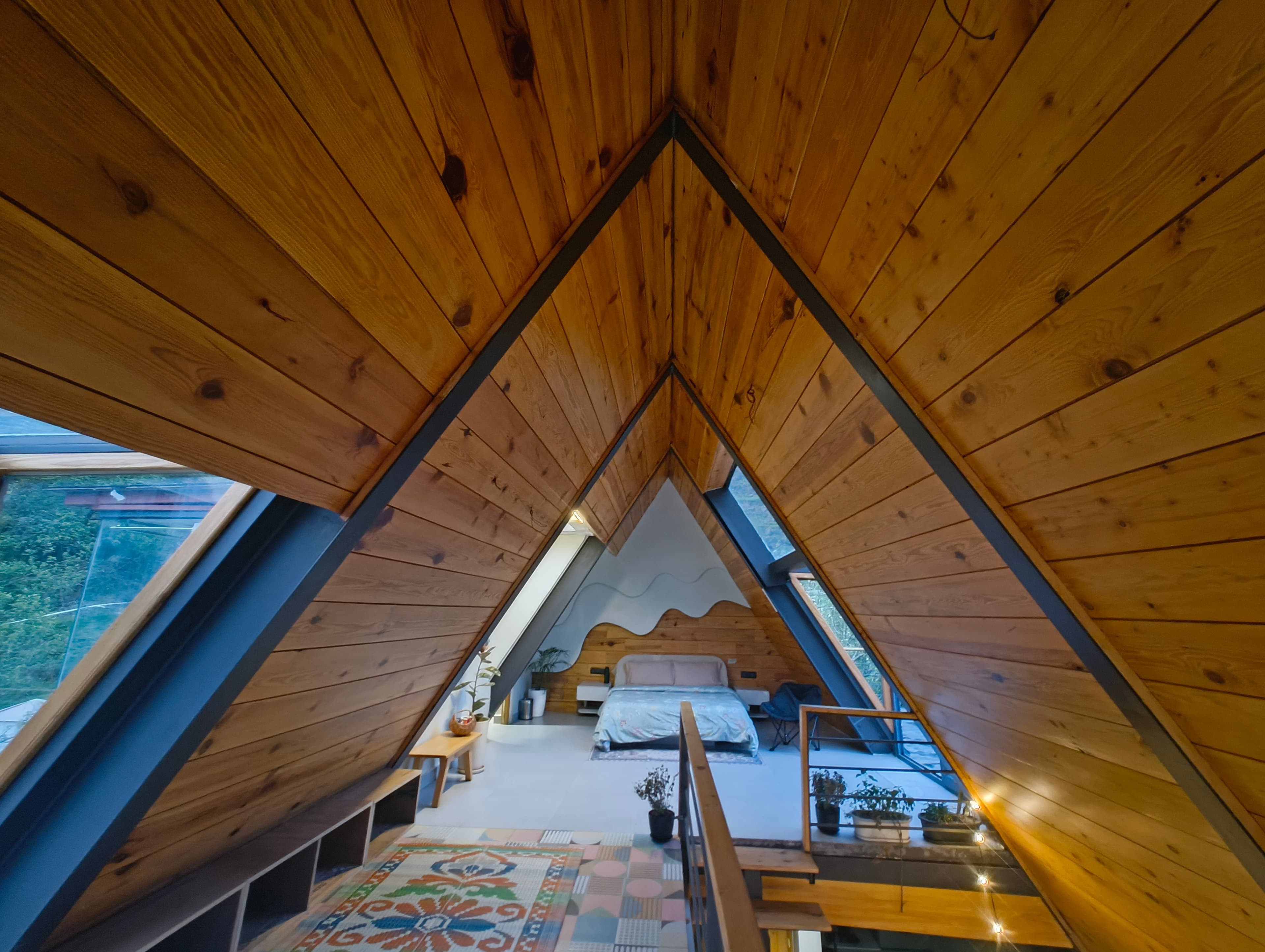
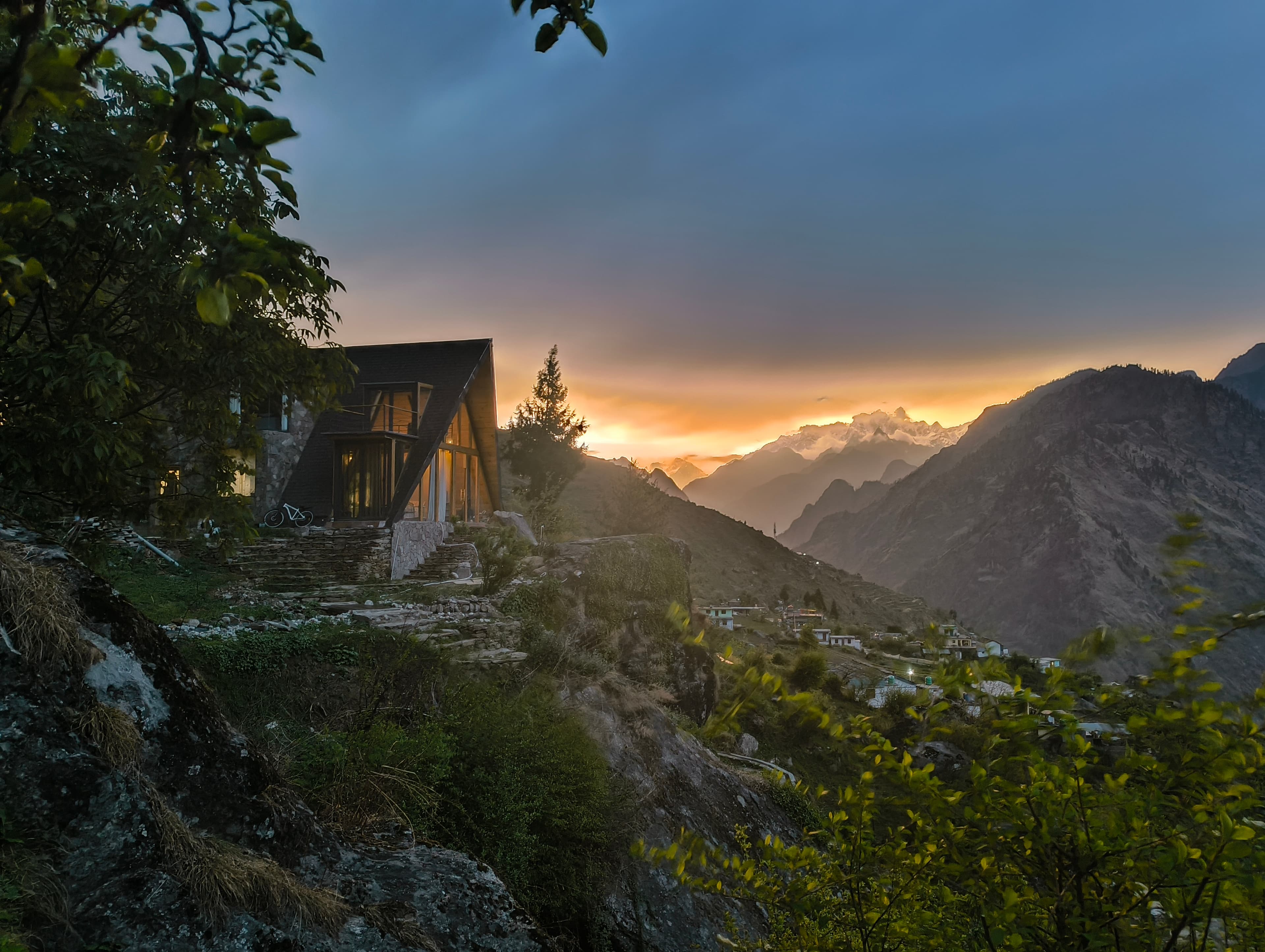
Go there. The town is open. Shops are running. Schools have children in them. Buses full of pilgrims stop on their way to Badrinath and Hemkund Sahib, the same as they always have. The ropeway to Auli carries skiers in the season. People are living their lives in a town that a good part of India believes has already been written off.
I want to be careful here, because there is a lazy version of this argument and I don't want to make it.
What actually happened
The cracks were real. In the winter of 2022–23, houses in Joshimath — mostly in the Singhdhar, Manoharbagh and Sunil wards — developed serious cracks. Hundreds of buildings were marked unsafe. Families were moved into relief centres. Two hotels tilted into each other and became the photograph that defined the whole story. Anyone who tells you this was invented is lying to you, and I'm not going to.
So something happened. The question I have is different: what did we decide it meant, and who benefited from that meaning?
What didn't happen
Joshimath did not sink. There was no moment when the ground opened. A section of a town built on unstable ground shifted, as it had been shifting for decades, and a few hundred structures out of a town of thousands took damage. The other wards were largely fine. The main bazaar was fine. The road to Badrinath was fine.
But "some houses in three wards of a hill town developed cracks" is not a headline. "Joshimath is sinking" is. And once that sentence was in circulation, it stopped being a description and became a fact that everything else got arranged around.
This is not new, and it is not unique
Here is the part that never made it into the coverage: Joshimath sits on the debris of an old landslide. Loose moraine, not bedrock. This is not a recent discovery or a controversial claim — a government committee said so back in the 1970s, decades before any of the projects people now blame. The town has been settling slowly for as long as anyone has been measuring it.
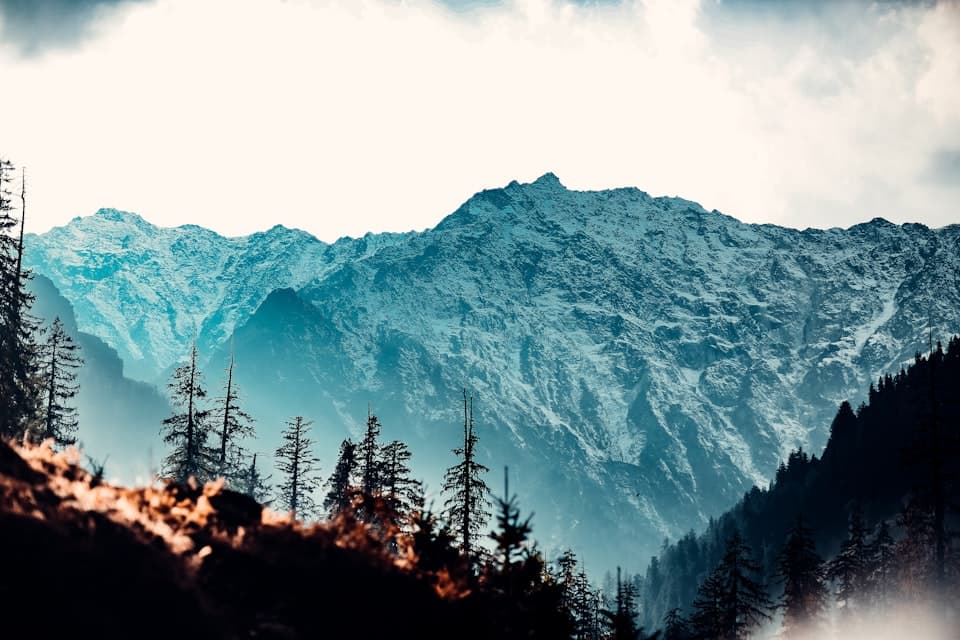
And it is not alone. Slow subsidence, slope creep, cracked walls, roads that need re-laying every few years — this is ordinary in the Himalaya. It is what happens when you build heavy concrete on young, unstable, seismically active mountains without drainage. Every hill town I know has houses with cracks in them. Nobody films those.
What made Joshimath different was not the geology. It was that it had a name people recognised, a photogenic pair of leaning hotels, and — most importantly — a set of deep pockets standing nearby.
My honest read
Once the story was national, the incentives lined up very fast.
There was a hydel project in the valley and a highway bypass under construction, both with large budgets and both easy to point at. There was a compensation and rehabilitation package that grew as the crisis grew. There were political actors on both sides for whom a disaster in the Char Dham corridor was useful. And there was a news cycle that pays for catastrophe and pays nothing for "the situation is stable."
I'm not saying the projects are blameless — tunnelling and cutting into a slope like that carries real risk, and it deserves real scrutiny. I'm saying that a normal, decades-old, well-documented geological process got escalated into an emergency because an emergency was worth more to more people than a slow problem was. Once the money and the outrage were attached to the word "sinking," nobody involved had any reason to say the quieter true thing.
Where I could be wrong
I'll put this plainly, because I'd rather you argue with the strong version of what I think.
Satellite data from that winter did show a genuine acceleration — the ground moved measurably more in a few weeks than it normally does in a season. That is not nothing, and it is the strongest argument against me. If you believe that spike was the beginning of something rather than a bad winter in a place that has always been settling, you'd reasonably conclude that the alarm was proportionate.
I don't read it that way. Three years on, the town is still standing and functioning, which is not what you'd expect if January 2023 had been the start of a collapse. But I hold that as an opinion, not a proof.
What the panic actually cost
Here is what nobody counts.
The season after the headlines, tourism to Joshimath and Auli fell off a cliff. Hotels that had nothing wrong with them sat empty. The ropeway stopped. Taxi drivers, guides, dhaba owners, homestay families, porters — people whose entire year runs on a few good months — lost that year. Not because their houses cracked. Because the country had been told their town was disappearing.
The coverage was supposed to protect these people. It took their income instead. That is the part that actually makes me angry, and it's the reason I'm writing this rather than staying quiet.
What I'd tell you if you were planning a trip
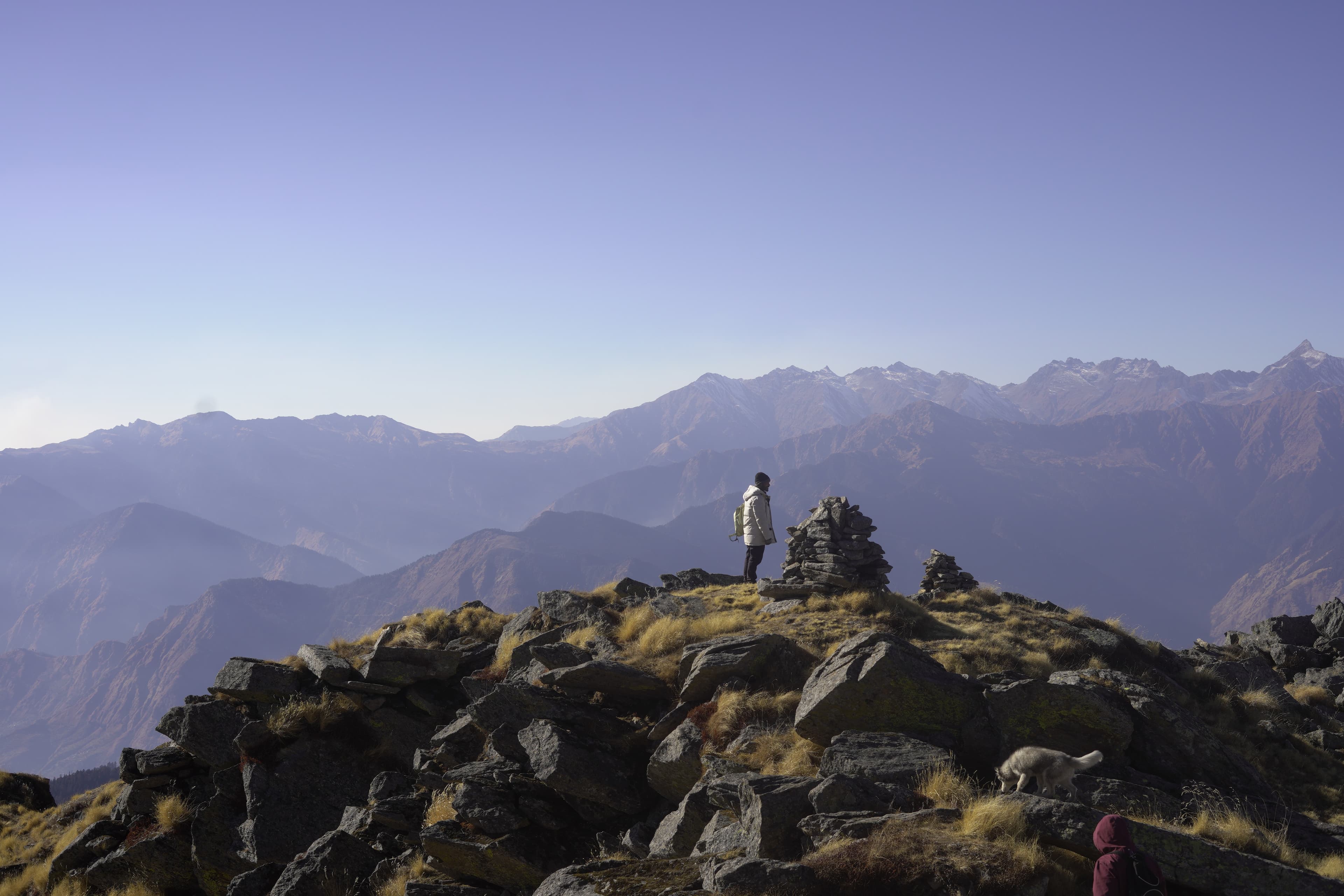
Go. Joshimath is a working town and a gateway — to Badrinath, to Hemkund Sahib, to the Valley of Flowers, to Auli. The road is open, the town is open, and the people there would very much like you to stop believing they're standing on a trapdoor.
Some houses in some wards are damaged and being dealt with, the way damaged houses are dealt with anywhere. That is a repair job, not an evacuation. It deserved a serious local response and honest engineering scrutiny — which is exactly what it stopped getting the moment it became a national story.
The mountains move. They always have. That is not a crisis. It's the Himalaya.
These are my personal views, based on my own visits and reading. If you know Joshimath and you see it differently, I'd genuinely like to hear from you.